Kensington and Chelsea council rubbish disposal rules explained
Posted on 10/06/2026
If you live, rent, own a flat, or manage a property in Kensington and Chelsea, rubbish can become oddly complicated, quite quickly. One minute you are putting out a bag or two, the next you are wondering whether that broken wardrobe counts as bulky waste, whether bags can sit on the pavement, or whether the council will even take the items you have left in the hallway. This guide to Kensington and Chelsea council rubbish disposal rules explained is here to clear that up in plain English. We will walk through what the rules usually mean in practice, what residents need to watch for, and how to avoid the frustrating little mistakes that lead to missed collections, complaints, or unnecessary costs.
To be fair, rubbish rules are never the most exciting topic. But if you get them wrong in a borough with busy streets, tight kerbs, shared entrances, and little patience for clutter, it can become a real headache. The good news? Once you understand the basic system, it is manageable.
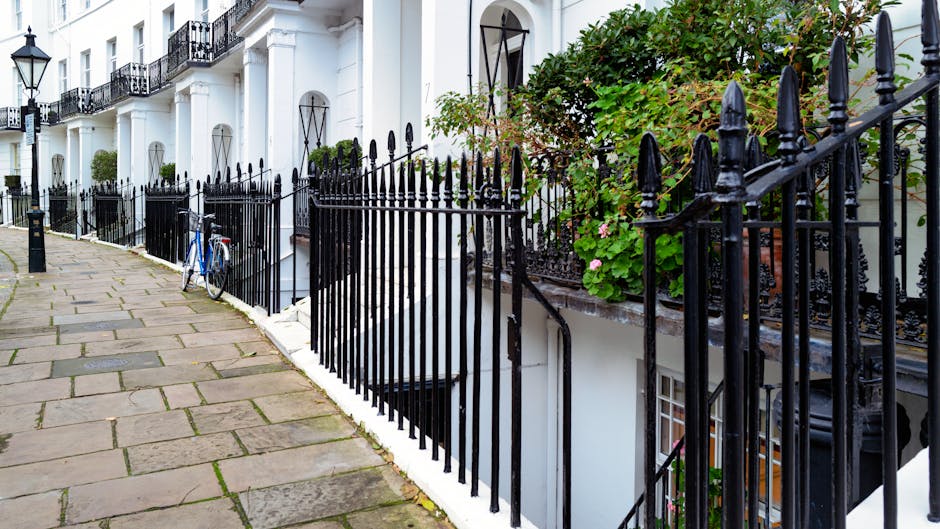
Why Kensington and Chelsea council rubbish disposal rules explained matters
In Kensington and Chelsea, rubbish disposal is not just about getting rid of clutter. It affects cleanliness, safety, neighbours, building management, and sometimes even whether a street looks and feels usable on a busy morning. If bags are left out incorrectly, they can attract pests, obstruct pavements, or simply get ignored by collectors. And in a borough where many homes have shared bins, narrow frontages, or limited storage, those small mistakes can snowball.
This matters even more if you live in a mansion block, converted terrace, basement flat, or managed apartment building. There is usually a layer of extra rules: where bins must be stored, when waste should be moved out, what counts as household rubbish, and what needs a separate collection. If you are a landlord or property manager, getting that wrong can lead to resident complaints very fast. I have seen cases where a single overfilled bin area caused more friction than a noisy neighbour ever did. Strange, but true.
It also matters because waste disposal is one of those everyday jobs that feels simple until you deal with a bulky item, garden cuttings, renovation debris, or an office clearance. That is where the local rules really start to matter. If you are dealing with anything beyond ordinary black bag waste, it is worth reading alongside the borough's approach to recycling and sustainability and, where relevant, practical services like house clearance support in South Kensington.
Quick takeaway: the rules are there to keep collection points clear, protect shared spaces, and make sure waste is sorted, stored, and removed properly. If you treat rubbish like a last-minute afterthought, the borough tends to notice. Fast.
How Kensington and Chelsea council rubbish disposal rules explained works
The basic idea is simple: different types of waste need to be separated, presented correctly, and handed over in the right way. The detail is where people trip up. Most households are dealing with a mix of general waste, dry mixed recycling, food waste where provided, glass, garden waste, and occasional bulky items. Flat-share households and commercial premises may have different arrangements altogether.
Here is the practical version. First, identify what you are throwing away. A cereal box is not the same as a sofa. A sack of hedge trimmings is not the same as builder's rubble. Once you know the category, you can decide whether it belongs in normal household collections, a recycling stream, a booked bulky collection, or a specialist waste service.
Second, present the waste properly. That usually means closed bags, clean recycling, no contamination, and no loose items wandering around the bin store like they own the place. For residents in narrow streets or basement homes, timing matters too. Putting waste out too early can obstruct footpaths and create complaints from neighbours or building staff.
Third, remember that some items need extra care. Mattresses, fridges, televisions, electricals, paint, plasterboard, soil, and large furniture often sit outside the ordinary collection flow. If you are unsure, it is better to check the category first rather than hope it will be taken. Hope is not a disposal strategy, unfortunately.
For bigger domestic clearances, many residents compare council options with a more flexible pickup. That is where a service such as waste collection in South Kensington can be useful, especially if your item mix is awkward or your timetable is tight. In flatter, busier parts of the borough, this can be the difference between a neat exit and a hallway full of boxes for three days.
Key benefits and practical advantages
Following the rules properly does more than keep you on the right side of the council. It makes daily life easier, and in Kensington and Chelsea that really counts. Buildings are often dense, access is limited, and there is little room for waste to sit around. A tidy disposal routine saves time, reduces disputes, and keeps shared areas looking professional.
- Cleaner communal spaces: correct disposal reduces smells, spills, and mess around bin stores.
- Fewer missed collections: bins that are sorted and presented correctly are less likely to be ignored.
- Better recycling outcomes: clean, separated material is easier to process.
- Less stress for residents and landlords: no one enjoys bin drama. Honestly, no one.
- Safer access: fewer obstructions on pavements, gates, and front steps.
- More predictable costs: when you know what needs specialist handling, you avoid last-minute decisions.
There is also a reputational benefit. In a place where homes, short lets, and offices often sit side by side, how waste is managed says a lot about the building. A tidy, well-run waste setup helps a property feel looked after. If you are thinking about how waste habits affect a home's presentation, the same attention to detail also shows up in articles like Kensington home market buy and sell tips and why Kensington remains such a desirable place to live.
Who this is for and when it makes sense
This guide is for anyone who wants a sensible, no-nonsense understanding of rubbish disposal in Kensington and Chelsea. That includes homeowners, tenants, landlords, estate managers, office occupiers, short-let hosts, and anyone clearing out a property after a move or refurbishment.
It makes particular sense if you are:
- moving into a new flat and trying to understand the bin setup
- dealing with shared bin stores in a managed block
- clearing out bulky household items before a tenancy ends
- disposing of garden waste after seasonal tidying
- removing office furniture or archived documents from a workplace
- handling renovation rubbish and wondering what can be left for normal collection
Some readers only need this information once in a while. Others need it every week. Landlords and managing agents, in particular, benefit from having a standard process because waste problems tend to repeat themselves. The same fridge appears in the wrong corridor. The same box of paint tins gets left downstairs. It happens more often than people admit.
If your situation involves larger or mixed loads, it may be more practical to look at a service like furniture disposal in South Kensington or even a broader services overview to see which disposal route matches the job. That is often the cleanest decision, especially if you have awkward items and limited storage time.
Step-by-step guidance
If you want to stay organised, this simple process works well. It is not glamorous, but it is effective.
- Sort the waste by type. Separate general waste, recycling, food waste, bulky items, and anything hazardous or specialist.
- Check what your building already provides. Some blocks have shared bins, scheduled removal days, or specific store rules.
- Keep recyclables clean and dry. Food residue and mixed materials can contaminate a whole bag or container.
- Bag general waste securely. Loose waste is more likely to spill or be refused.
- Do not block access routes. Hallways, pavements, and exits should stay clear.
- Book separate handling where needed. Bulky items, appliances, or renovation debris may need a dedicated solution.
- Set a realistic collection time. If you cannot store waste properly, do not leave it sitting around for days.
- Keep proof of what was removed. This is especially useful for landlords, offices, and post-clearance checks.
A simple example: if you have two black bags, a broken bedside table, and a pile of flattened cardboard, do not treat them all the same. The bags may go one way, the cardboard another, and the furniture may need separate removal. Small decision, big difference.
If you are working to a deadline, same-day help can make life much easier. In that case, same-day waste collection in South Kensington is worth understanding before you leave the whole job to the last minute.
Expert tips for better results
After enough rubbish clearances, a few habits stand out. They sound obvious once you hear them, but they save real time.
- Use smaller loads more often. In tight buildings, smaller and more frequent clear-outs are easier than one heroic purge on a Sunday afternoon.
- Keep a "waiting to go" corner. A single tidy spot for items awaiting disposal beats scattered bags and random boxes.
- Label mixed items before collection day. This helps staff or contractors separate what can be reused, recycled, or disposed of correctly.
- Measure bulky items before you commit. A sofa that seems manageable in a wide room can become a logistical nuisance in a narrow stairwell.
- Plan around building access. Lifts, concierge hours, and loading restrictions matter more than people expect.
- Keep receipts or removal notes. Particularly useful for rental turnovers and office moves.
One thing people often underestimate is the local street layout. Kensington and Chelsea has elegant roads, yes, but elegant roads are often not friendly to waste left in the wrong place. A bag on a pavement can become an obstacle in minutes. On a wet morning, it is worse. Much worse.
If you are near a tight road or station area, practical advice from the Old Brompton Road rubbish collection guide or rubbish removal near South Kensington Station can help you think through access, timing, and collection behaviour before you start moving things downstairs.
Common mistakes to avoid
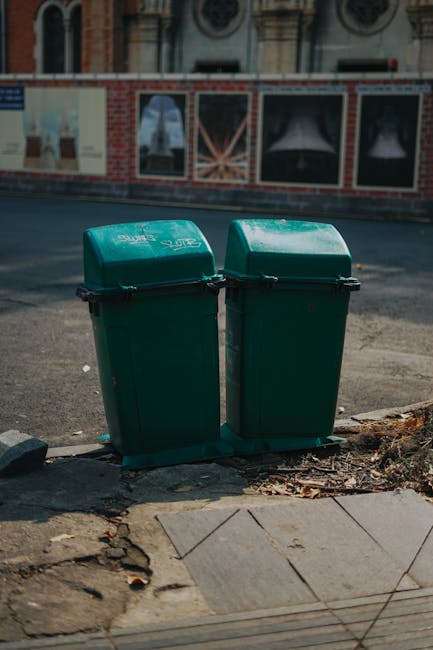
The most common error is assuming that any rubbish can simply be left with the bins. It cannot. Mixed waste, oversized items, and bulky rubbish often need separate handling. Another frequent mistake is putting recyclable items in dirty bags or containers. Once contamination starts, it spreads, and the collection team may leave the material behind.
Other mistakes include:
- leaving waste out too early
- blocking shared entrances or footpaths
- putting sharp or broken items in thin bags
- mixing renovation debris with household rubbish
- ignoring landlord or building-specific instructions
- assuming white goods are collected like general waste
- booking a removal without checking access or load size
The hidden-cost angle matters too. Some people choose the cheapest option in a rush, only to discover extra charges for stairs, distance, loading difficulty, or item type. That is one reason why careful planning is better than frantic booking. If you want to avoid being caught out, read what to avoid in rubbish removal charges before committing to anything that looks unusually cheap.
And yes, there is always that one box you thought was "mostly paper" but turns out to contain cables, old chargers, a lamp base, and a half-empty tin of something sticky. We have all been there. Almost.
Tools, resources and recommendations
You do not need a toolbox the size of a builder's van to manage waste correctly, but a few simple tools help a lot.
- Sturdy bin bags and recycling boxes: avoid overfilled or torn bags.
- Labels or marker pens: useful in shared houses and offices.
- Gloves: especially when sorting old furniture, garden waste, or dusty items.
- Tape measure: handy for bulky furniture and awkward appliances.
- Phone reminders: useful for collection days, building access times, and clear-out deadlines.
- Photographs: good for landlords, agents, or office managers who need a record of what was removed.
For people who need a hands-off approach, a managed pickup can be the simplest answer. A dedicated team may be the right fit if you are clearing a whole room, disposing of a mixed load, or trying to stay within a tight moving schedule. You can compare options through pricing and quotes and also look at broader details on about us if you want a better sense of service style and expectations.
If sustainability matters to you, it probably should, then recycling-first handling is worth prioritising. Not every item can be reused or recycled, but separating the reusable material from the true waste makes a genuine difference. Small effort, big payoff.
Law, compliance, standards, and best practice
While this article is not legal advice, it is sensible to understand the compliance side. In the UK, waste must be handled responsibly, and householders, landlords, and businesses all have duties to avoid fly-tipping, unsafe storage, and improper disposal. In practical terms, that means knowing what type of waste you have, using the correct collection route, and not leaving items where they can create a nuisance or hazard.
For businesses, the standard is stricter. Office waste, confidential paper, electricals, and mixed commercial rubbish should be handled through appropriate collection arrangements. Offices in particular should not treat paper archives, monitors, or old chairs as if they were just leftover household clutter. If you are clearing premises, see office clearance in South Kensington for a more suitable approach.
Best practice also applies to safety. Heavy items should be lifted properly, sharp edges should be wrapped or secured, and waste should not create trip hazards in communal areas. If you are moving anything large or awkward, basic planning matters more than brute force. A decent pair of gloves and a calmer pace often beat a rushed grab-and-go method. Strange how that works.
For specialist materials such as builders' waste, you need a clearer plan still. Mixed rubble, plasterboard, timber offcuts, and metal fittings should not be thrown into ordinary collections unless the service explicitly allows it. Where building work is involved, this guidance is often reinforced by service-specific handling, such as builders waste disposal in South Kensington.
Options, methods, and comparison table
There is more than one way to dispose of rubbish in Kensington and Chelsea, and the best choice depends on what you are throwing away, how quickly it needs to go, and how much access you have.
| Method | Best for | Pros | Watch out for |
|---|---|---|---|
| Standard household collection | Everyday waste and basic recycling | Simple, familiar, usually the first option | Limited capacity, strict sorting, timing rules |
| Bulky waste collection | Sofas, mattresses, wardrobes, appliances | Good for large items, less manual lifting for residents | May require booking and correct presentation |
| Specialist waste removal | Mixed loads, urgent clear-outs, difficult access | Flexible, fast, useful in tight streets or busy buildings | Cost varies based on load size and access |
| Reuse or donation route | Items in good condition | Environmentally better, reduces landfill waste | Requires time, condition standards, and coordination |
In real life, many people use a combination. A flat clear-out may involve recycling some items, booking a bulky pickup for furniture, and arranging a specialist collection for the rest. That is normal. There is no prize for forcing everything into one method and making the process harder than it needs to be.
Case study or real-world example
Picture a two-bedroom flat near a busy Kensington street. The tenants are moving out on a Friday, the landlord wants the place ready by Monday, and the hallway already has a mattress, three boxes of mixed junk, and a broken coffee table leaning against the wall. Classic situation, really.
At first glance, it looks like "just rubbish". But once sorted, the load becomes clearer: cardboard and clean paper can be separated, the mattress needs its own disposal route, the table may be suitable for furniture removal, and a few miscellaneous items need checking before they are bagged. If the residents had simply left it all by the bins, the collection would probably have been messy, incomplete, or both.
Instead, the more organised approach is to sort the items, confirm what can be recycled, decide which items need separate handling, and remove everything in one efficient visit. That saves time, reduces stress, and leaves the flat in a much better state for inspection.
This is exactly where practical local knowledge helps. In a borough with shared access, some roads are awkward, and not every building is forgiving. If you have ever tried to carry a sofa down a narrow stairwell while a neighbour is coming up with groceries, you know the feeling. Awkward silence included.
Practical checklist
Use this before collection day or before arranging disposal.
- Have I separated general waste, recycling, and bulky items?
- Do I know what my building allows in the bin area?
- Are all bags sealed and fit to be handled safely?
- Have I checked for items that need special disposal?
- Is the route from flat to collection point clear?
- Have I avoided putting waste out too early?
- Do I need a specialist or same-day collection?
- Have I measured furniture or large items properly?
- Am I clear on any possible access or loading restrictions?
- Have I kept a note of what was removed for my records?
If you want a smoother process for seasonal clear-outs, garden tidy-ups, or a full household reset, it may be worth reviewing options such as garden waste removal in South Kensington or a more general clearance route that matches the job at hand.
Conclusion
Once you strip away the jargon, Kensington and Chelsea council rubbish disposal rules explained come down to a few straightforward habits: sort waste properly, store it safely, present it on time, and use the right route for bulky or specialist items. That is the heart of it. The rest is detail, and the detail matters because the borough's streets, buildings, and communal spaces are not built for careless waste habits.
If you are a resident, the main benefit is peace of mind. If you are a landlord or manager, it is smoother operations and fewer complaints. If you are moving, clearing, or refurbishing, it is simply one less thing to worry about in an already busy week. And frankly, that matters more than people think.
Get a free quote today and see how much you can save.
Handled well, rubbish disappears quietly in the background, which is exactly how it should be. A tidy space always feels better. Always.


 Tipper Van - Rubbish Removal and Waste Disposal Prices in South Kensington, SW7
 Luton Van - Rubbish Removal and Waste Disposal Prices in South Kensington, SW7


