Rubbish removal South Kensington Station SW7
Posted on 26/05/2026
Rubbish removal South Kensington Station SW7: a practical local guide for homes, businesses and busy refurbishments
If you're dealing with a pile of bags, a broken wardrobe, renovation debris, or an office clear-out near South Kensington Station, you probably want one thing: a clean, simple way to make it disappear without hassle. That's exactly where rubbish removal South Kensington Station SW7 becomes useful. In a busy part of London, space is tight, access can be awkward, and nobody wants waste sitting around longer than necessary. Truth be told, one small clearance can feel like a mini project unless you know the quickest route.
This guide breaks down how local rubbish removal works, what to expect, what to avoid, and how to choose the right service for your situation. Whether you're clearing a flat, emptying a property, dealing with garden waste, or managing builders' rubble, you'll find practical advice here that helps you make a better decision.
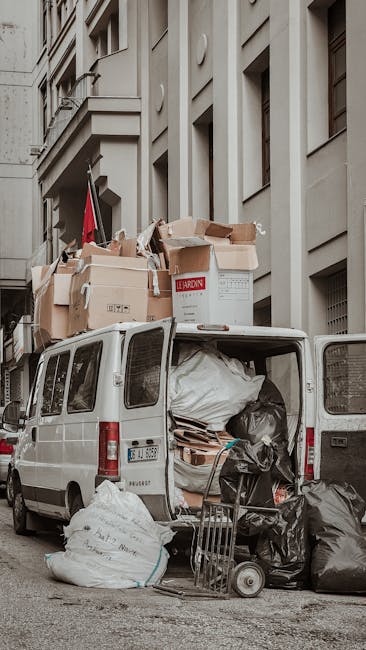
Why Rubbish removal South Kensington Station SW7 Matters
South Kensington Station sits in a part of London where footfall is high, streets are busy, and properties often have limited storage or access. That makes waste removal less of a "maybe later" task and more of a practical necessity. A few bin bags in the hallway can quickly turn into a blocked passage, a fire safety issue, or simply a daily nuisance. Nobody wants to drag a mattress down narrow stairs at 7:30 in the morning while trying not to annoy the neighbours.
Local rubbish removal matters because waste in SW7 is often connected to real-life transitions: moving home, finishing a renovation, preparing a flat for new tenants, closing an office, or reclaiming a garden that's become a bit of a jungle. In our experience, the pain point is rarely the rubbish itself. It's the logistics: timing, access, parking, lifting, sorting, and disposal. That's where a proper service saves time and stress.
It also matters for appearance. In an area like South Kensington, clutter can make an otherwise smart property look neglected. For landlords, estate agents, shop owners and busy residents, a prompt clearance can genuinely change how a space feels. Clean, open, calm. Simple, but powerful.
Key takeaway: rubbish removal in SW7 is less about "getting rid of stuff" and more about keeping a property usable, safe, presentable and compliant.
How Rubbish removal South Kensington Station SW7 Works
Most local rubbish removal jobs follow a straightforward process, even if the site itself is a little awkward. The details vary depending on volume, access and the type of waste, but the basic flow is usually similar.
1. You describe the waste
Start by saying what needs clearing. Be specific if possible. For example: general household rubbish, broken furniture, office equipment, garden cuttings, or mixed builders' waste. If you're not sure, take a few photos. A good quote usually depends on knowing whether the load contains bulky items, heavy materials, or anything that needs special handling.
2. A quote or estimate is arranged
Pricing is commonly based on volume, labour, accessibility and disposal costs. A ground-floor flat with easy street access is not the same as a top-floor property with no lift and a narrow stairwell. To be fair, that sounds obvious, but it's where a lot of surprises happen.
If you want a broader understanding of what can influence costs, the site's pricing and quote guidance is a useful starting point.
3. Collection is scheduled
Timing matters in this part of London. Busy roads, limited parking and local traffic patterns can all affect the best slot for collection. Early morning or between commitments can make a noticeable difference. If the waste is outside, it may be removed quickly. If it's inside, the team may need to protect walls, manage stairs carefully and keep noise low.
4. Waste is lifted, sorted and loaded
Good removal is not just about speed. It's about sorting recyclable materials, separating reusable items where possible, and avoiding unnecessary mess. For example, furniture might be dismantled to fit more efficiently into a vehicle, while bags of mixed waste may need to be handled in batches. Small details, but they save time and reduce disruption.
5. Disposal, recycling and documentation happen behind the scenes
The collection is the part you see. The disposal process is the part that protects you. A responsible operator should send waste to the right destination and follow accepted environmental and legal standards. If you'd like to see how sustainability is approached more generally, have a look at the company's recycling and sustainability approach.
Key Benefits and Practical Advantages
There are obvious benefits to getting rubbish removed. Then there are the less obvious ones, which often matter more.
- Time savings: You don't have to make repeated trips to a tip or waste facility.
- Less physical strain: Heavy lifting, awkward angles and stairs are handled for you.
- Better use of space: A cleared room feels bigger, calmer and easier to use.
- Improved presentation: Especially useful for lettings, sales, viewings or client-facing spaces.
- Reduced risk: Fewer trip hazards, fewer blocked entrances, fewer complaints.
- Cleaner recycling outcomes: Items can be separated for more responsible disposal.
There's also a psychological benefit people underestimate. A cluttered flat or office can quietly drain energy. Once the waste is gone, the space often feels reset. You can breathe a little easier. That sounds a bit dramatic, maybe, but anyone who's been knee-deep in moving boxes at the end of a long week knows the feeling.
For landlords, sellers and agents, a neat clearance can support better marketing too. If you are preparing a home for the market, some of the ideas in the home market buy/sell tips guide may help you think about presentation as part of the wider process.
Who This Is For and When It Makes Sense
Rubbish removal near South Kensington Station is relevant to a surprisingly wide range of people. It's not just for major clear-outs. Often, it's the smaller jobs that become annoying enough to justify calling someone in.
Homeowners and tenants
If you've got broken furniture, old appliances, loft clutter, or the remains of a room refresh, a collection service can save you a lot of effort. It's especially helpful if your building has awkward stair access or no practical storage for waste.
Landlords and letting agents
Vacant properties often need a fast turnaround. Furniture left behind by previous tenants, end-of-tenancy rubbish, and unwanted items in storage cupboards can all delay re-letting. A quick clearance keeps the property moving.
Businesses and offices
Office clearances often involve more than just paper waste. Think old desks, chairs, filing cabinets, monitors, packaging, and random bits of tech that no one quite remembers buying. For a more structured service, the office clearance service in South Kensington is worth reviewing.
Contractors and renovators
Builders' waste can accumulate quickly. Plasterboard, timber, packaging, broken fixtures and general rubble all take up room and can slow work down. If your project is in or near SW7, the dedicated builders' waste disposal service is likely the better match.
Garden owners
Branches, hedge trimmings, soil and old outdoor clutter are common after a tidy-up. If your outdoor space has become a bit overgrown, garden waste removal in South Kensington may be the most efficient option.
And of course, sometimes you just want your weekend back. Fair enough.
Step-by-Step Guidance
If you want the process to run smoothly, a little preparation goes a long way. Here's a practical way to handle it.
- Walk through the space. Identify everything that needs removing and separate it into rough categories: furniture, general rubbish, garden waste, and anything potentially hazardous.
- Check access. Note staircases, lifts, parking restrictions, and whether items need to pass through narrow halls or shared entrances.
- Take photos. This helps with accurate pricing and avoids misunderstandings later.
- Remove personal or sensitive items. This matters most for offices and house clearances where paperwork or valuables might be mixed in.
- Ask what happens to different waste streams. Reuse, recycling, donation and disposal are not all the same thing.
- Confirm the collection window. In a busy area, a clear arrival time helps avoid delays and neighbour friction.
- Prepare the route. Move small obstacles, protect fragile items, and make sure entrances are accessible.
If the job is a full property clear-out, the house clearance service may fit better than a general collection. That's especially true when there are multiple rooms, lofts or outbuildings involved.
Expert Tips for Better Results
A few small decisions can make a big difference to how cleanly the job goes. These are the things people often learn the hard way.
Separate reusable items from true waste
If something can be reused, resold or donated, keep it aside. Not only is that better environmentally, it can also make the remaining waste easier to quote and remove. A sofa, for instance, may need different handling from mixed broken junk. Sounds obvious, but it gets overlooked a lot.
Be honest about access
Don't understate the difficulty of access just to keep the quote low. Tight staircases, key-fob entry, no parking and long carrying distances all affect the real work involved. Clear information leads to fewer delays and fewer awkward phone calls on the day.
Bundle related jobs together
If you already have waste removal booked, it can make sense to clear furniture, old carpets, boxes, or garden debris at the same time. One visit is often more efficient than three. In many cases, that is the smarter move.
Choose the right service type
A simple rubbish collection, a furniture disposal, an office clearance and a builders' waste job are related, but they're not identical. Matching the service to the waste type usually saves time and money. If you're comparing options, the services overview is a useful way to see how the different jobs fit together.
Think about timing around neighbours and business hours
South Kensington is lively, and that can be a blessing or a nuisance depending on the hour. A sensible collection slot can reduce disturbance and make access simpler. Early planning always helps. Always.

Common Mistakes to Avoid
Most problems with rubbish removal are avoidable. They usually come down to planning, communication, or trying to save money in the wrong place.
- Leaving everything until the last minute: This creates pressure and often leads to rushed decisions.
- Mixing prohibited or hazardous items into general waste: Certain items need special handling and should never be hidden in ordinary bags.
- Assuming all rubbish is the same: Mixed loads can affect the time, tools and disposal method required.
- Ignoring access constraints: A quote based on easy access may change if the reality is a long carry or multiple flights of stairs.
- Forgetting about recycling: Some items can be diverted from landfill or general disposal if sorted correctly.
- Not checking company details: Make sure you understand how the business operates, what it covers and how it handles payment and security. The payment and security page is a sensible place to review that side of things.
One common slip is underestimating how long a "small" clear-out takes. A few boxes, a chair, a shelf, and one old mattress can suddenly eat up half the afternoon. Not ideal.
Tools, Resources and Recommendations
You do not need a van and a toolkit to get rubbish removed, but a few things can make the process smoother.
| Need | Useful tool or resource | Why it helps |
|---|---|---|
| Quick planning | Phone camera | Lets you capture the volume, access points and item type quickly |
| Sorting waste | Boxes or separate piles | Makes it easier to keep furniture, recyclables and general waste apart |
| Safe movement | Gloves and sturdy shoes | Reduces the chance of cuts, slips and scrapes during prep |
| Service comparison | local waste collection options | Helps you match the service to the type and volume of waste |
| Furniture disposal | dedicated furniture disposal service | Useful for bulky items that are awkward to move or dismantle |
You may also want to check the company's about us page if you're comparing providers. It gives a better feel for how the service operates and what kind of local support you're likely to get.
Law, Compliance, Standards and Best Practice
Waste removal in the UK should be handled with care. You do not need to become an expert in regulations just to clear your flat, but you should know the basics.
In general, responsible waste handling means:
- using a properly run waste collection service;
- keeping waste types separate where needed;
- not leaving rubbish on the street without permission;
- being cautious with items that could be hazardous, sharp or contaminated;
- checking that disposal is handled through legitimate channels.
For certain properties, especially offices and managed buildings, there may be internal rules about lift usage, loading bays, noise, and access times. Landlords, managing agents and contractors often have their own processes too. Those aren't legal fine print, but they matter in practice. A smooth collection usually depends on respecting those building rules, not arguing with them.
It also helps to be careful with data-bearing waste such as documents, hard drives, or old office equipment. If you are clearing business premises, privacy and security should be considered before items leave the site. For general site trust and policy information, you can review the company's privacy policy and terms and conditions.
Practical rule: if in doubt, separate the item and ask before collection. That one habit avoids a lot of avoidable mistakes.
Options, Methods and Comparison
There are several ways to get rid of rubbish near South Kensington Station. The best one depends on time, volume, access and what the waste actually is.
| Method | Best for | Pros | Limitations |
|---|---|---|---|
| Self-haul to a disposal site | Very small loads and flexible schedules | Can be cost-effective if you already have transport | Time-consuming, physical effort, parking and loading hassle |
| Scheduled rubbish collection | Routine waste and mixed household items | Convenient and straightforward | May not suit bulky or heavily mixed waste |
| Furniture disposal service | Sofas, wardrobes, beds and office furniture | Handles awkward bulky items properly | Usually not ideal for general loose rubbish alone |
| House clearance | Full or partial property emptying | Good for end-of-tenancy, probate or downsizing | Needs more planning and access coordination |
| Office clearance | Desks, chairs, filing, equipment and general office waste | Efficient for business moves and refurbishments | May require extra attention to access and data security |
If your waste is mainly linked to a broader property refresh, it can be useful to read more about nearby local services and context. The area has its own rhythm, and a job that seems simple on paper can be trickier in real life because of parking, shared entrances and timing. That is just London, really.
Case Study or Real-World Example
Picture a second-floor flat near South Kensington Station after a quick home refresh. The owner has one old sofa, two chairs, a dismantled bookshelf, several bags of mixed rubbish, and a small pile of garden cuttings from a courtyard tidy-up. Nothing dramatic. But the flat has a narrow stairwell, no lift, and limited waiting space outside.
Trying to handle that yourself would mean moving bulky items through the building, finding somewhere to park, loading everything carefully, and then making sure nothing damaged the walls on the way out. Doable? Maybe. Convenient? Not really.
In a properly organised collection, the items are assessed, access is planned, the furniture is removed first, and the smaller waste is cleared after. The result is simple: the space is usable again within the same visit, without turning the corridor into a battleground of cardboard and dust. A fairly ordinary job, but that's the point. Most waste removal is ordinary. It just needs doing properly.
That same logic applies to property prep, offices and refurb projects. If you want to learn more about the broader local living and property landscape, these guides are helpful context: why Kensington remains a desirable place to live and a closer look at Kensington's local character.
Practical Checklist
Use this before your collection day. It keeps things tidy and reduces back-and-forth.
- Identify exactly what needs removing
- Separate rubbish, furniture, garden waste and recyclables
- Take clear photos of the items and the access route
- Check stair access, lift access and parking restrictions
- Remove valuables, documents and personal items
- Measure bulky items if you are unsure they will fit through doors
- Confirm the time window and any building rules
- Ask how the waste will be sorted or recycled
- Keep the route clear for safe lifting
- Have a contact number ready in case anything changes on the day
Small tip: if there's a bit of uncertainty, over-prepare rather than under-prepare. You'll thank yourself later.
Conclusion
Rubbish removal South Kensington Station SW7 is about more than clearing out unwanted items. It's about restoring space, reducing stress, keeping properties presentable, and handling waste in a way that feels sensible and responsible. In a busy part of London, those small wins matter. They really do.
Whether you need a quick collection, a full house clearance, an office tidy-up, or help with bulky furniture or builders' debris, the best results usually come from clear communication, realistic planning and the right service for the job. A good provider makes the process feel calm, even when the site is busy and the staircase is narrow. That calm is worth quite a lot.
If you're comparing options or planning a clearance soon, start with the service pages, review the practical details, and choose the route that fits your waste, your timing and your property. Simple enough.
Get a free quote today and see how much you can save.
And if today's the day you finally clear that extra room, good on you. A fresh, open space has a way of making everything feel a bit lighter.


 Tipper Van - Rubbish Removal and Waste Disposal Prices in South Kensington, SW7
 Luton Van - Rubbish Removal and Waste Disposal Prices in South Kensington, SW7


