Trade rubbish collection for South Kensington shops and cafes
Posted on 18/06/2026
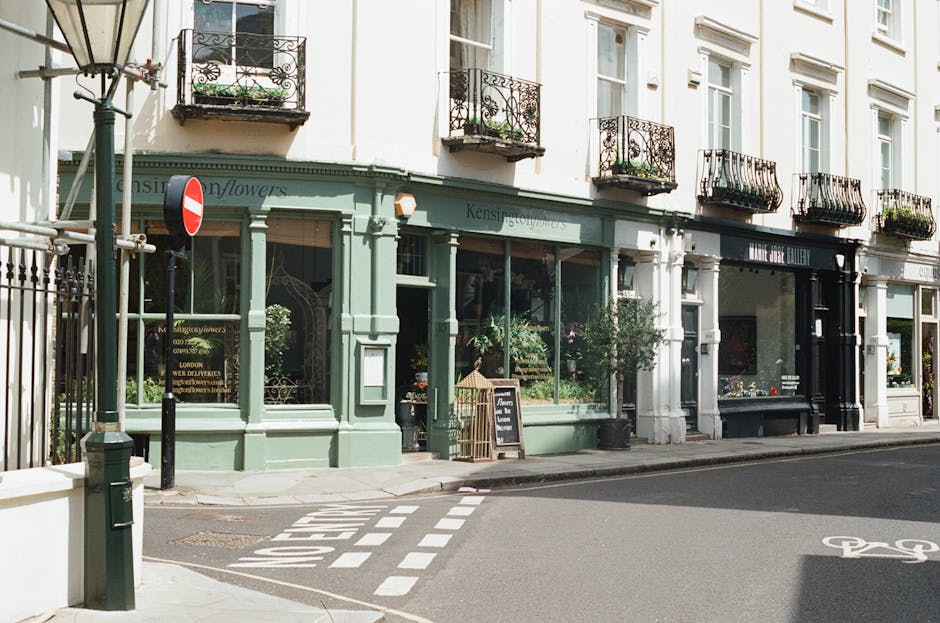
Running a shop or cafe in South Kensington sounds polished from the outside, but behind the counter it is often a different story: cardboard stacked by the back door, coffee grounds in lidded tubs, broken packaging, food waste, and the odd bulky item that somehow appears overnight. Trade rubbish collection for South Kensington shops and cafes is the part of the operation that keeps all of that under control without turning your pavement, alleyway, or storage room into a daily headache.
If you manage a small independent cafe, a boutique, a deli, a salon with retail stock, or a busy corner shop, the right collection routine can save time, reduce mess, and help you stay on the right side of local disposal rules. It also makes the place feel calmer. You notice it straight away on a busy Friday morning when bins are emptied properly and the front of house is not fighting the back of house. That matters more than people admit.
In this guide, we will break down how trade rubbish collection works, what South Kensington businesses should watch out for, and how to choose a setup that actually fits your trading hours, storage space, and waste type. No fluff. Just the practical stuff that helps.
Why Trade rubbish collection for South Kensington shops and cafes Matters
South Kensington is one of those areas where presentation and pace matter at the same time. A cafe can fill up by 8:30, a small shop may receive stock before opening, and by lunchtime the waste situation can already feel behind. In a tight urban setting, rubbish is not just an operational issue; it is part of your customer experience. If bin bags sit outside too long or the back area gets cluttered, it can affect odour, pests, access, and even staff morale.
There is also the local practical reality. Streets around SW7 can be busy, parking is limited, and access is not always kind to waste vehicles or heavy sacks. The more predictable your collection routine, the less time your team spends improvising. And frankly, improvising with waste rarely ends well.
For shops and cafes, the main problem is usually not the amount of waste alone. It is the mix: cardboard, food waste, broken crates, packaging film, display materials, and occasional bulky items. Different waste streams need different handling. If you treat everything as one big black bag problem, costs and compliance headaches tend to creep in.
A well-planned trade collection service helps you avoid that. It keeps front-of-house tidy, protects hygiene standards, and makes stock deliveries and closing routines smoother. It also helps when you are expanding, refitting, or trialling new menu or retail formats. For broader local context around the area and its property mix, you may also find this South Kensington overview useful, especially if you are thinking about footfall, premises, and day-to-day operations in the area.
Practical takeaway: good rubbish collection is not about "getting rid of waste" once in a while. It is about building a reliable rhythm that keeps your premises clean, compliant, and easier to run every day.
How Trade rubbish collection for South Kensington shops and cafes Works
At its simplest, trade rubbish collection is a scheduled or on-demand service that removes business waste from your premises and transports it for sorting, recycling, or disposal. The exact process depends on the type of waste, the amount, and how accessible your site is. For a cafe on a side street, that may mean early-morning pickup before service starts. For a retail shop, it may involve regular cardboard collections and occasional clearance of unsold stock packaging or broken display items.
The workflow usually looks something like this:
- You identify the waste types your business produces.
- You estimate the volume and how often it builds up.
- You choose a collection schedule that fits trading hours.
- You separate recyclable and general waste where possible.
- The waste is collected, documented where required, and taken away.
That sounds straightforward, but the detail matters. A cafe producing wet food waste, for example, needs a cleaner, more frequent routine than a small gift shop that mostly generates packaging and wrapping materials. Likewise, a business with limited rear access may need a collection method that avoids blocking neighbouring premises or causing delays on the pavement.
In some cases, same-day or short-notice collection can help when there has been a burst pipe, a last-minute delivery problem, or a sudden backlog before a busy weekend. If that sounds familiar, our guide to same-day waste collection in South Kensington is worth a look. Sometimes a quick response is the difference between opening comfortably and spending the morning shoving boxes behind the fridge. Not ideal.
For larger or mixed-premises sites, trade waste may also be coordinated alongside other services. A cafe that is refurbishing a storeroom, replacing furniture, or clearing out old fixtures could combine routine waste with specialist removal. That is where it helps to understand the wider service landscape and speak to a provider that offers more than one collection format. You can see how those options fit together in the services overview.
Key Benefits and Practical Advantages
Trade rubbish collection offers much more than a cleaner bin store. For South Kensington shops and cafes, the benefits show up in the workflow, the customer experience, and the building itself.
1. Cleaner, more professional presentation
Customers may never see your waste area, but they will notice the knock-on effects. If bags overflow near the entrance or smells drift from the rear door, the whole business feels less cared for. A tight collection schedule helps keep the outside impression sharp and the inside calmer.
2. Better hygiene and less pest pressure
Food waste, drink spill waste, and packaging residue can quickly create odours and attract insects or rodents. That is especially true in warmer weather or when bags are left too long before pickup. Regular collections help prevent that slow build-up that can become a real nuisance.
3. Less staff time lost to waste handling
When collection is organised properly, staff do not need to keep resetting bin stores, moving bags around, or deciding where a bulky item should go. That time adds up. It is one of those hidden little leaks in an operation that nobody budgets for, until they do.
4. Better use of limited space
South Kensington premises often have compact storage. A reliable waste routine means you can use back-of-house space for stock, cleaning products, and prep rather than a temporary rubbish mountain. Space is expensive in this part of London. Wasting it on waste is a bit grim, really.
5. Easier separation of recyclable materials
If your team knows what goes where, recycling becomes less of a chore and more of a habit. That is better for the business and usually better for costs too, depending on the mix of material and collection model.
| Aspect | Scheduled trade collection | Ad hoc removal |
|---|---|---|
| Predictability | High | Variable |
| Staff workload | Lower | Higher |
| Best for | Everyday business waste | Irregular clear-outs |
| Risk of overflow | Lower | Higher |
| Operational fit | Strong for shops and cafes | Better for one-off events |
If your business also needs broader waste support, the dedicated waste collection service in South Kensington can help as part of a wider routine rather than a one-off fix.
Who This Is For and When It Makes Sense
This service makes sense for any local business that creates repeat waste and wants a dependable way to remove it. In South Kensington, that usually includes:
- cafes and coffee shops
- bakeries and sandwich shops
- boutique retailers
- delis and small food counters
- salons and wellness businesses with packaging waste
- gift shops and homeware stores
- mixed-use premises with a small customer-facing business below or beside another unit
It also makes sense when your waste pattern has changed. Maybe you have added takeaway service, started stocking more delivery packaging, or expanded your menu. Maybe you are running seasonal stock and have more cardboard than usual. Maybe you simply reached that point where the back room is doing too many jobs and one of them is "be the bin room", which is never a proud moment.
Here are a few situations where trade rubbish collection becomes especially useful:
- You open early and close late. Collections need to happen before the rush or after trading ends.
- Your waste area is small. Regular removal prevents stack-up and fire-risk clutter.
- You generate mixed waste streams. Food, cardboard, and general rubbish need different handling.
- You are near a busy stretch. Access timing matters a lot around pedestrian and traffic flow.
- You are preparing for a fit-out or refresh. Temporary waste spikes can overwhelm normal bins.
For businesses preparing a space change or refit, it may also help to read about office clearance in South Kensington and furniture disposal options, especially if old counters, chairs, shelving, or display units need to go too.
Step-by-Step Guidance
If you are setting up trade rubbish collection for the first time, or reworking an old arrangement that no longer fits, use a simple process. Keep it practical. No need to overcomplicate it.
Step 1: Audit your waste
Start by looking at what you throw away in a normal week. Break it down into cardboard, soft packaging, food waste, glass, general rubbish, and bulky items. Do this properly for a few days, not just from memory. People are usually wrong when they guess. Nicely wrong, but wrong all the same.
Step 2: Match waste type to collection need
A cafe may need frequent food waste handling, while a shop may need more cardboard removal. If you run both retail and food service, treat them separately in planning. The goal is not simply "more bins"; it is the right bins in the right place.
Step 3: Check your access
Look at where collection can happen without blocking customers, neighbours, or deliveries. Is there a back door? A side alley? A narrow pavement? Can bins be moved safely at your quietest time of day? This is particularly important on tighter streets. If your premises are affected by awkward access, the practical advice in this guide to tight-street rubbish collection may help.
Step 4: Choose frequency based on reality, not optimism
It is tempting to think one weekly pickup will do. Sometimes it will, but only if your business is small and low-volume. If not, go for a more realistic schedule. Overflow is almost always more expensive and more annoying than planned collection.
Step 5: Train the team
Give staff simple rules: what goes where, when bins go out, who checks lids, and who reports problems. Keep instructions short. A laminated note in the back area often works better than a ten-minute briefing nobody remembers by Friday.
Step 6: Review after two or three weeks
See what is working. Are collections too frequent? Not frequent enough? Are bags too heavy? Is recycling being contaminated by food waste? Small tweaks make a big difference.
If you want a broader sense of what happens at different speeds of removal, this South Kensington station-area rubbish removal guide is a helpful example of how access, timing, and location change the job.
Expert Tips for Better Results
In practice, the best waste systems are usually the boring ones. Predictable, tidy, and not trying to be clever. Here are a few habits that make life easier.
- Use clear labels. Staff are more likely to sort waste correctly if each bin is obvious at a glance.
- Keep lids closed. It helps with smell, rain, pests, and general tidiness.
- Flatten cardboard immediately. It saves space and makes collections easier.
- Never overfill bags. Heavy bags split, and split bags are just a bad scene all round.
- Store waste away from food prep. Obvious, yes, but worth saying.
- Plan around deliveries. Waste movement and stock movement should not fight each other at the same doorway.
One practical observation from working with small hospitality and retail spaces: the businesses that do best are not the ones with the fanciest bins. They are the ones with the clearest routine. A 30-second habit repeated by everyone beats a perfect system that nobody uses.
Another tip: do not ignore the cost of hidden inefficiency. If staff spend five minutes every shift wrestling with waste, the expense is not only in collection fees. It is in lost time, frustration, and the kind of clutter that quietly drags a good operation down.
For businesses that care about sustainability, it can also help to read the site's recycling and sustainability information and align day-to-day habits with what is actually recyclable in your waste stream.
Common Mistakes to Avoid
This is where many businesses trip up. Not dramatically. Just enough to create extra cost and hassle.
Mixing waste streams without checking
Putting food waste, cardboard, and general waste into one stream may feel quicker in the moment, but it often makes everything harder later. Recycling value drops, contamination rises, and collections become less efficient.
Using the wrong schedule
A schedule that works in winter may not work in summer, and a quiet weekday routine may collapse on a busy Saturday. Keep checking it. Trade waste is not a "set and forget" task.
Forgetting access issues
If your collection point is awkward, the job can quickly become a nuisance to neighbouring businesses or residents. This matters especially in busier parts of the area where timing, parking, and foot traffic all squeeze the same small space.
Leaving bulky items too long
Broken shelves, packaging pallets, old tables, and worn display fixtures tend to sit around "for now". Then they become permanent. If you need help shifting larger items, a specialist clearance route is usually better than trying to piggyback them onto normal waste.
Focusing only on price
Cheap looks good on paper. But if a low-cost plan leaves you with poor pickup timing, vague service terms, or surprise add-ons, it quickly stops being cheap. A good comparison looks at service reliability, waste type fit, and transparency as much as cost.
There is a useful lesson here: the right rubbish plan is the one that disappears into the background. When people barely notice it, it is probably working.
Tools, Resources and Recommendations
You do not need complex systems to run a better waste setup. A few simple tools and habits go a long way.
- Colour-coded bins or labels for quick sorting
- Waste log sheet to track frequency, overflow, and problem materials
- Staff checklist for closing-time bin duties
- Cardboard cutter or flattening tool to reduce volume
- Covered outdoor bin store where space allows
- Regular review of collection times against opening hours and deliveries
For businesses that are doing a wider tidy-up rather than just general waste control, these pages may be useful starting points: house clearance in South Kensington for clearing larger volumes, and garden waste removal in South Kensington if your premises includes an outdoor area or planter maintenance that produces green waste.
You can also review the practical basics around pricing and quotes and payment and security if you want to understand how service charges and transaction handling are typically approached. And if you want background on the company's approach, the about us page gives useful context.
Law, Compliance, Standards, or Best Practice
Waste handling for businesses in the UK comes with responsibilities. You do not need to become a compliance expert, but you do need to know the basics and choose a provider who takes them seriously.
For shop and cafe owners, the key points are usually:
- keeping waste appropriately separated where required
- avoiding fly-tipping or leaving waste in the wrong place
- using a service that can explain how waste is handled
- retaining appropriate records where business process requires them
- making sure staff know their part in the system
Best practice is simple: use a provider that is transparent about collection methods, safety, and recycling handling, and make sure your own team understands the routine. If a collection arrangement is vague, it is rarely a good sign. The same applies if pricing seems oddly unclear or too good to be true. Usually there is a reason, and it is not a nice one.
Local disposal expectations can also matter. If you are unsure about what can go in trade waste versus what should be handled separately, it is worth reading the practical guidance in the Kensington and Chelsea rubbish disposal rules guide. It gives helpful context for how local businesses should think about waste sorting and disposal discipline.
For safety-minded operators, it is also sensible to review the site's insurance and safety information before booking any work involving heavier items, awkward access, or busy trading spaces.
Options, Methods, or Comparison Table
There is no single perfect method for every South Kensington business. The right choice depends on volume, waste type, access, and how often your operation changes. This comparison should help narrow it down.
| Method | Best for | Strengths | Trade-offs |
|---|---|---|---|
| Regular scheduled trade collection | Busy cafes and retail shops | Predictable, tidy, easier to manage | Needs accurate planning |
| Ad hoc same-day collection | Unexpected surges or last-minute clear-outs | Fast response, flexible | Not ideal as a daily system |
| Bulky item removal | Old fixtures, display units, chairs, tables | Clears space quickly | Separate from routine waste |
| Full clearance service | Refits, closures, stock changes | Removes large volumes in one visit | More involved planning |
If your business is between phases, you may end up using more than one method at once. That is normal. For example, a cafe can keep a weekly collection routine for everyday rubbish while booking a one-off removal for old furniture after a mini-refit. Not elegant, maybe, but perfectly sensible.
For a better sense of faster response options, the article on hidden charges in rubbish removal is worth considering too, because urgency often exposes weak pricing structures.
Case Study or Real-World Example
Imagine a small cafe near a busy South Kensington side street. It serves coffee, pastries, and light lunches, so the waste stream includes food waste, cups, napkins, cardboard, and occasional broken packaging from deliveries. The team initially uses one large bin at the back and hopes to deal with the rest at closing time. For a while, it seems fine. Then the Tuesday and Thursday delivery runs start arriving earlier. Cardboard begins piling up. Lids are left open because staff are rushing. By Friday, the waste corner smells stale and the floor needs extra cleaning.
The solution is not dramatic. It is more like a reset. The cafe separates cardboard from general waste, adds a more frequent pickup for the busiest days, and assigns one staff member per shift to do a quick waste check before the lunch rush. They also move bin handling away from the prep counter so the route stays clear.
Within a couple of weeks, the back area feels usable again. Not glamorous, obviously, but noticeably better. The team spends less time improvising and more time actually serving people. And that is the point, really.
This kind of adjustment is especially common in South Kensington because premises are often compact and the footfall pattern changes throughout the week. A system that works on a quiet Monday may fall apart on a sunny Saturday when customers stay longer and deliveries land at awkward times.
Practical Checklist
Use this checklist to tighten up your trade rubbish collection routine.
- Identify all waste types your business produces.
- Separate food waste, cardboard, and general rubbish where possible.
- Check your bin storage space and access route.
- Set a collection schedule that fits opening hours.
- Train staff on sorting, storage, and closing-time checks.
- Flatten cardboard before storing it.
- Keep lids closed and areas clean.
- Review the arrangement after the first few weeks.
- Plan for seasonal changes and busy trading periods.
- Use one-off clearance support for bulky items or refits.
If you can tick most of those off, you are already ahead of many small businesses. Honestly, that is half the battle.
Conclusion
Trade rubbish collection for South Kensington shops and cafes is not just an operational extra. It is part of how your business stays tidy, welcoming, and manageable in a compact and busy part of London. When the system is right, you barely think about it. Waste goes out on time, the back area stays usable, and staff do not spend the day working around yesterday's mess.
The key is to match your collection routine to the reality of your premises, not the ideal version in your head. If you have limited space, mixed waste, early trading, or regular delivery surges, you need a practical arrangement that can handle the rhythm of your week. That may mean scheduled collections, occasional same-day help, or a more tailored mix of services. Fine. That is normal.
Keep it simple, keep it regular, and keep an eye on what is actually building up. The businesses that get this right usually feel smoother across everything else too. Less clutter. Less stress. Better mornings.
Get a free quote today and see how much you can save.

 Tipper Van - Rubbish Removal and Waste Disposal Prices in South Kensington, SW7
 Luton Van - Rubbish Removal and Waste Disposal Prices in South Kensington, SW7


